
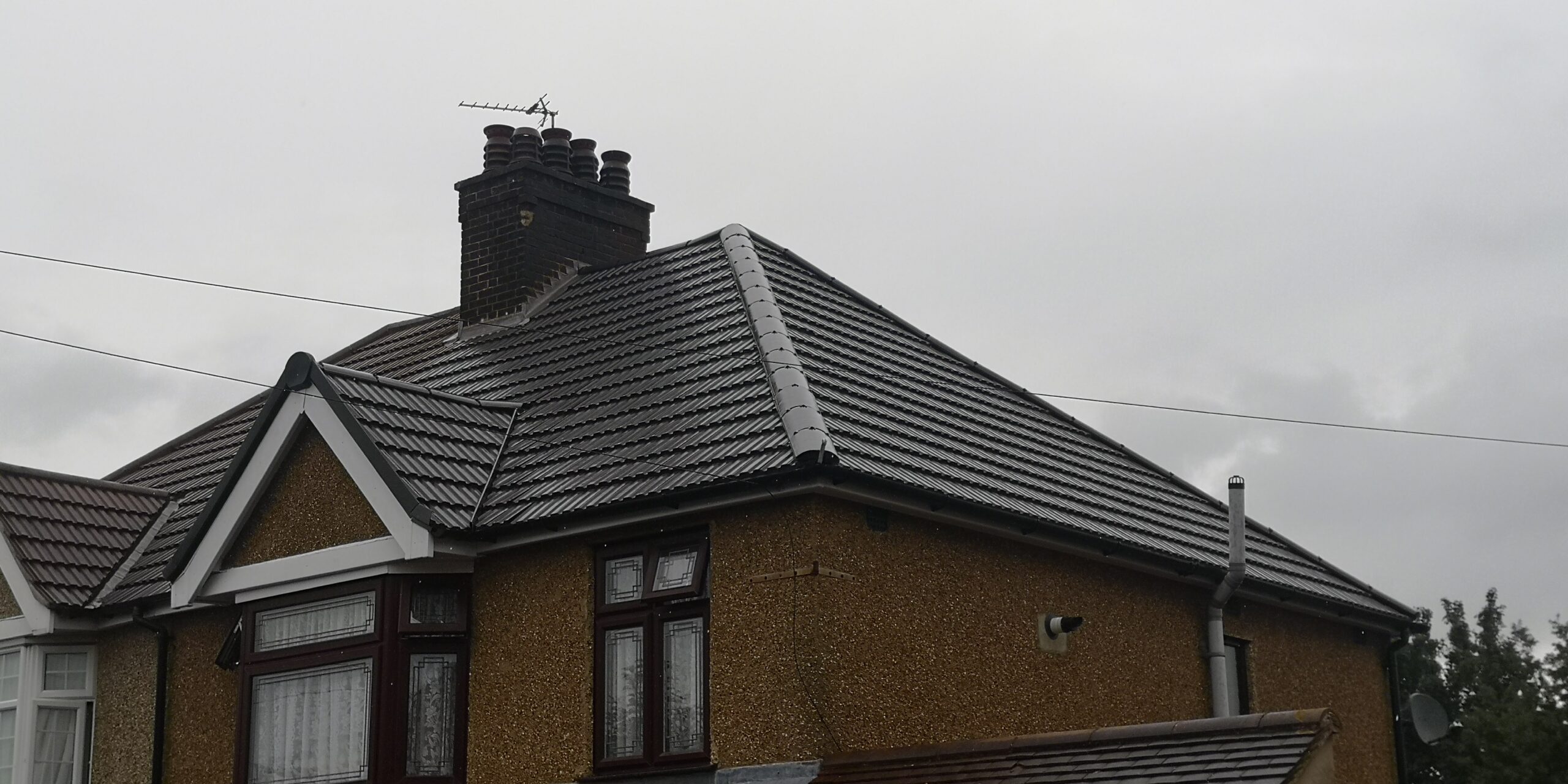
It’s Been Dry for a While – Is Your Roof Ready for the Rain?
After a long spell of dry weather, it’s easy to forget just how much work your roof does when the rain finally arrives.
A roof can look perfectly fine from ground level, yet small issues such as cracked tiles, tired flashing, blocked gutters or damaged seals can become much more noticeable once the first prolonged rainfall arrives.
At Essex Roofers, we always recommend taking a little time to check your roof before the weather turns. Catching a small problem early can help prevent a much bigger — and more expensive — repair further down the line.
1. Check for cracked, slipped or missing tiles
One of the easiest things to look for from ground level is the condition of your roof tiles.
Keep an eye out for:
* Missing tiles
* Cracked or broken tiles
* Tiles that appear to have slipped out of position
* Damaged ridge or verge tiles
* Gaps where you can see the roof underneath
Even a single damaged or missing tile can allow water to get beneath the roof covering. Missing tiles can also make surrounding tiles more vulnerable to movement during periods of strong wind.
If you notice anything that doesn’t look right, it’s worth getting it checked rather than waiting for the next heavy downpour.
2. Take a close look at your gutters
Your gutters play a vital role in protecting your property from rainwater, they help divert water to the drains, and help keep your exterior walls from getting damp.
After a long dry spell, gutters can still contain leaves, moss, dirt and other debris. Once heavy rain arrives, a blockage can quickly cause water to overflow.
Look for:
* Gutters full of debris
* Plants or moss growing in the gutter
* Water stains around the outside of the gutter
* Sagging or poorly aligned sections
* Leaking joints
* Downpipes that appear blocked
Keeping gutters clear helps water flow away from the property properly and reduces the risk of water damage and damp.
3. Look at the flashing around your chimney
The flashing around a chimney is another area worth checking.
Flashing forms a watertight seal where different parts of the roof meet, but over time it can become cracked, loose or deteriorated.
From the ground, look for obvious gaps, lifted sections or areas where the flashing appears to have pulled away from the roof or chimney.
Chimney flashing problems are a common cause of leaks, and they can sometimes remain unnoticed until there is enough rain to expose the issue.
4. Check your loft for signs of water ingress
You don’t necessarily have to climb onto your roof to spot a roofing problem (and we don’t recommend that)
Your loft can provide some very useful clues.
Have a look for:
* Damp patches on the underside of the roof
* Water staining on timbers
* Mould or a musty smell
* Wet or damaged insulation
* Daylight coming through areas where it shouldn’t
If you find evidence of water getting into your loft, don’t ignore it. A small leak can potentially cause more damage if left unattended.
5. Don’t forget your flat roof
If your property has a flat roof, inspect it from a safe position, like from a bedroom window, and look for obvious signs of deterioration.
Cracks, splits, bubbling, sagging or damaged edges can all be warning signs that your flat roof needs attention. Flat roofs can also develop problems around joints, outlets and flashing.
If you’re unsure about the condition of the roof, it’s much safer to have a professional inspection rather than attempting to walk across it yourself.
6. Look at your fascias and soffits
Fascias, soffits and other roofline components all play an important role in keeping the property protected.
Look for signs such as:
* Rotting or damaged timber/pvc
* Cracks
* Peeling or damaged surfaces
* Loose sections
* Water staining
Problems with the roofline can sometimes be an indication that water isn’t draining away correctly.
Why check your roof before the rain arrives?
The first major rainfall after a prolonged dry period can quickly expose weaknesses that have been developing for months or even years.
The good news is that many roofing problems are much easier to deal with when they’re spotted early.
common warning signs include missing or cracked tiles, damp or staining inside the property, damaged flat-roof coverings and problems around roof joins such as ridges, valleys and chimneys.
Before the next spell of wet weather, ask yourself:
✓ Are any roof tiles cracked, missing or out of place?
✓ Are the gutters clear and securely attached?
✓ Are the downpipes free from obvious blockages?
✓ Does the chimney flashing look intact?
✓ Can you see any obvious damage to the roofline?
✓ Is there any damp, staining or mould in the loft?
✓ Does your flat roof show signs of cracking, bubbling or sagging?
If the answer to any of these is “yes”, it’s worth getting the problem assessed.
At Essex Roofers, we understand that roofing problems aren’t always easy to spot from the ground. What may look like a small issue can sometimes indicate a larger problem, while something that looks worrying may only require a straightforward repair.
If you’re concerned about the condition of your roof after a long period of dry weather, get in touch here for professional advice and an inspection.
It’s always better to find a roofing problem while it’s still a repair — rather than after the rain has found it for you.
Essex Roofers – keeping Essex homes protected, whatever the weather.