The Secret Life of Your Roof: What It Can Tell You About Your House
When you look at a house, the roof is probably one of the first things you notice. But have you ever stopped to think about what it can tell you?
From the materials used to the shape of the roof itself, there is often a fascinating story hidden above our heads. Roofs can reveal clues about a property’s age, the way it was built, the materials available at the time and even how people used to live.
As roofers, we spend a lot of time looking at roofs that most people barely give a second glance. And believe it or not, there is often much more to them than meets the eye.
So, let’s take a closer look at the secret life of your roof.
1. Your roof could reveal the age of your house
One of the first things an experienced roofer may notice is the type of roof covering a property has.
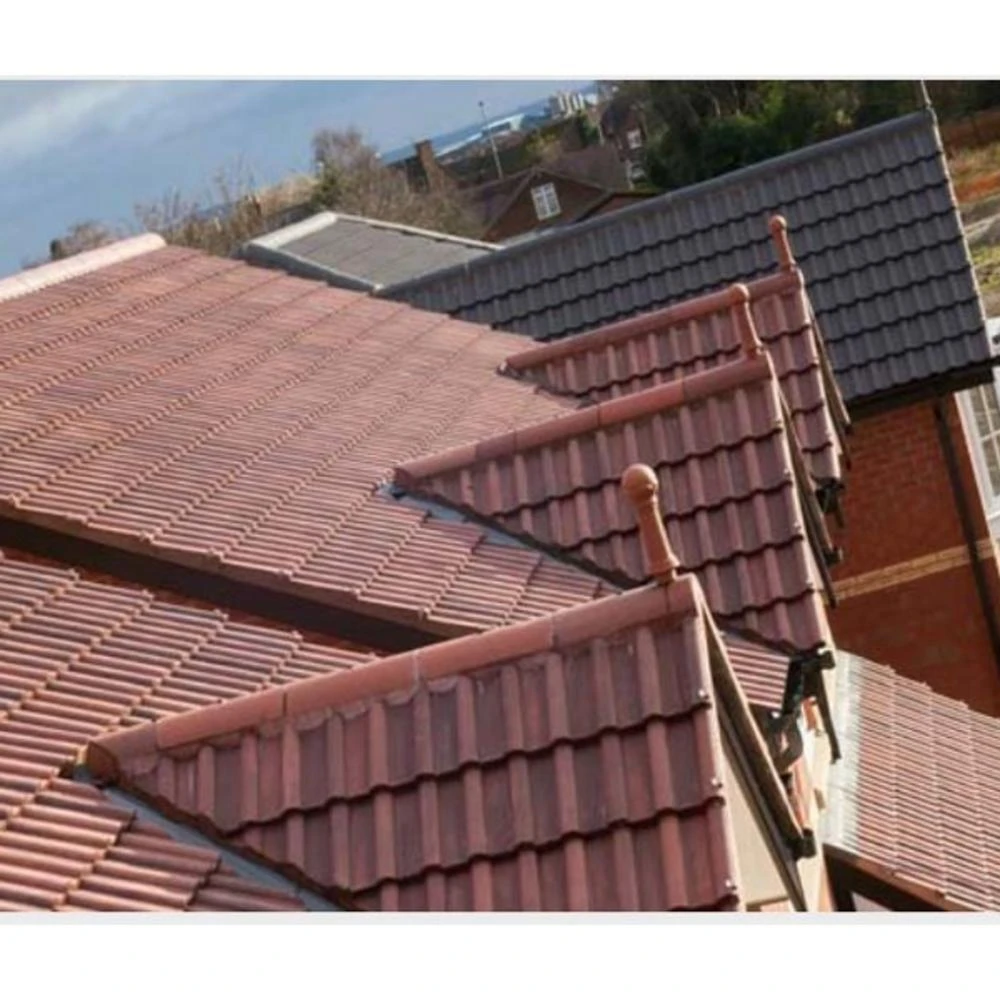
Older British properties often feature natural slate, clay tiles or other traditional materials that reflect the period in which they were built. Victorian and Edwardian houses, for example, frequently have pitched roofs, decorative ridge tiles and prominent chimney stacks.
More modern properties may feature concrete roof tiles or different roofing systems designed around contemporary construction methods.
Of course, roofing materials alone cannot tell you the exact age of a house. Roofs are often replaced, extended or altered over the years. However, when combined with other architectural features, they can provide useful clues about a property’s history.
In some cases, what looks like one roof may actually be the result of several different building projects carried out decades apart.
2. Those old roof tiles have a story to tell
Not all roof tiles are created equal.
Natural slate, clay tiles and concrete tiles each have their own characteristics, appearance and lifespan. The material used on a property can influence everything from its overall appearance to the type of repairs it may need in the future.
Natural slate, for instance, is popular on many traditional properties because of its distinctive appearance and durability. Clay tiles are often associated with older homes and can develop a characterful appearance as they age.
Concrete tiles became widely used on many newer properties because they offer a practical and versatile roofing option.
You may also notice that older roofs sometimes have slight variations in colour, shape or texture. This isn’t necessarily a sign of poor workmanship. Natural materials weather over time, and replacement tiles may look different from the originals.
In fact, matching older roof tiles can sometimes be a challenge when carrying out repairs, particularly if the original material is no longer readily available.
It’s one of the reasons why identifying the existing roof covering is an important part of planning any roofing work.
3. Why do so many older houses have chimneys?
Have you ever walked down a street of traditional terraced houses and noticed how many chimney stacks rise above the rooftops?
There is a good reason for that.
Before central heating became commonplace, fireplaces and coal fires were essential for heating homes and, in many cases, cooking. Chimneys provided a way to carry smoke and combustion gases safely out of the property.
In terraced houses, several chimney stacks might sit alongside one another, serving fireplaces in different rooms or adjoining properties.
Today, many of those fireplaces are no longer used. Some chimneys have been capped, while others remain as architectural features long after their original purpose has disappeared.
However, an unused chimney doesn’t necessarily mean it can be ignored. Its condition, the way it has been capped and whether appropriate ventilation is provided can all matter.
Chimneys are also a good example of how a roof can combine practical construction with architectural character. Remove them from some older properties and the entire appearance of the building would change.
4. The shape of your roof isn’t just about appearance
Roof designs vary considerably, even between houses on the same street.
Some properties have simple pitched roofs, while others feature hips, valleys, dormers and several intersecting roof sections.
These shapes aren’t simply decorative. They influence how rainwater drains away, how the roof connects to the rest of the building and how much usable space is available inside the property.
A traditional pitched roof allows rainwater to run down towards the gutters. A hipped roof slopes down on multiple sides, while dormers can create additional headroom and natural light in loft spaces.
More complicated roof designs can also involve more detailed workmanship. Where different roof sections meet, careful attention must be paid to junctions, flashing and drainage.
This is one reason why two houses with roughly the same floor area can have very different roofing requirements.
The shape and complexity of a roof can be just as important as its overall size when assessing the work involved.
5. Your roof is made up of much more than tiles
From the ground, a roof can look like a simple covering of tiles or slates. In reality, the visible surface is only one part of a much larger system.
Depending on the design, a roof may include:
– Roof tiles or slates: The outer covering that sheds most of the rainwater.
– Battens: The timber strips that support and secure the roof covering.
– Underlay or roofing membrane: A secondary layer that helps manage water and wind-driven rain.
– Roof timbers: The structural framework that supports the roof.
– Insulation: A key part of the property’s thermal performance.
– Ventilation provisions: Features designed to manage moisture and condensation where required.
– Leadwork and flashing: Materials used to weatherproof important junctions, such as around chimneys and roof intersections.
The exact arrangement varies depending on the type of roof and how it was constructed.
This hidden structure helps explain why replacing a roof involves more than simply laying new tiles. The condition of the underlying materials and the way the different components work together are also important.
A roof that looks attractive from the street may have a very different story beneath its surface.
6. Why do some roofs look better as they get older?
There is something distinctive about a traditional slate roof or an old clay-tiled roof that has weathered naturally over many years.
Subtle changes in colour, texture and appearance can give a building character that is difficult to reproduce with brand-new materials.
Natural slate, in particular, can develop variations in tone, while clay tiles may change in appearance as they are exposed to the elements.
However, there is a difference between natural ageing and deterioration.
Some changes are simply cosmetic, while others may indicate that a roof covering or one of its components is no longer performing as intended. Cracked tiles, slipping slates, deteriorating mortar or damaged flashing may require closer attention.
Moss and algae can also develop on roofs, especially in damp or shaded locations. Their presence alone doesn’t automatically mean a roof needs replacing, but the condition of the covering should be assessed in context.
The important thing is understanding what is normal for the material and what might indicate a problem.
7. Extensions can create a roof with more than one story
Have you ever noticed a house where the roof over the extension looks completely different from the original roof?
This is common across the UK, particularly in properties that have been extended or altered over time.
A house might originally have had a traditional pitched roof, only for a later extension to introduce a flat roof or a different pitched design.
The result can be a building with several roof sections, different materials and multiple junctions where the structures meet.
These junctions require careful detailing to manage rainwater and maintain weatherproofing. The materials and construction methods used on the original property may also differ from those used on the extension.
This is one reason why roofing work should always take the whole structure into account rather than looking at each section in isolation.
A roof is part of a building that may have evolved over many years, and understanding that history can help when planning repairs or improvements.
8. What can your roof tell you about the future of your home?
Your roof isn’t just a reminder of how your property was built. It also plays an important role in protecting what comes next.
If you’re considering renovating your home, converting a loft, installing solar panels or building an extension, the condition and design of the existing roof may influence your plans.
For example, if a roof covering is approaching the end of its useful life, it may be worth considering its condition before investing in work that could make future replacement more complicated.
Likewise, changes to insulation and ventilation need to be considered carefully to avoid creating condensation problems within the roof structure.
Planning ahead doesn’t mean replacing a roof unnecessarily. It means understanding what you have, identifying any genuine issues and making informed decisions about the future of your property.
Sometimes a straightforward repair is all that’s needed. In other cases, a more extensive project may make sense. The right approach depends on the individual roof.
Take a closer look at your roof
It’s easy to take your roof for granted. It sits above your home every day, quietly doing its job, often without much thought from the people living underneath it.
But look a little closer and it can tell you a surprising amount about your property, from its architectural history and original materials to the changes it has undergone over the years.
Understanding your roof is also useful when it comes to maintaining your home, planning improvements or deciding whether repairs are needed.
If you’re unsure about the age, condition or construction of your roof, getting advice from an experienced roofing professional can help you understand your options.
Need advice about your roof?
Whether you’re looking to repair an existing roof, replace an ageing covering or simply find out more about the roof above your home, we’re happy to help.
Get in touch with our team here to discuss your roofing requirements and find out how we can help protect your property for years to come.